Deep plane facelift surgeons, every fact traced to its source.
See results with the surgeon named, then write to up to 3 surgeons for free.
A deep plane facelift typically costs $10,000–$75,000 (2026 DEEPPLANE™ estimates, bands set 2026-08-19). DEEPPLANE™ lists 1,286 surgeons in 69 countries; sending an enquiry is free.
A deep plane facelift lifts the SMAS-platysma layer and its skin as one composite flap. It releases the zygomatic and masseteric retaining ligaments, unlike earlier techniques that pulled skin over an unmodified deeper structure. Dr. Sam Hamra introduced it in 1990. What a deep plane facelift is, in full →Source: Hamra ST, Plast Reconstr Surg 1990;86(1):53-61
A weekly sample of 32 of the 1,286 listed surgeons. Verified surgeons are shown first; the rest of the sample changes every week.


- USA
- Brazil
- Turkey
- Canada
- Belarus
- Czech Republic
- Greece
- Mexico
- Philippines
- Romania
- Spain
- UK
The record

1,078 listed surgeons carry a Google rating of their own: 132,041 reviews, 4.70 average, all of it Google’s and none of it ours.
We record the board certification each surgeon publishes and name its source; we do not confirm it with the issuing board, hold facility or case-volume data, or monitor licence status. How we read each source
- OpenAlex 629
- NPPES 558
- HHS OIG LEIE 591
- ORCID 350
- Crossref 186
- ABFPRS 95
6 sources · 591 screened against the HHS exclusion list · the mark on 28 clinic sites · open data, CC BY 4.0 · monthly AI citation report
7 guides signed · latest · Meet the review council
Verified surgeons
22 of the 28 surgeons this site calls verified, most recently verified first.
- Dr. Dmitry BatiukovMinsk · Belarus

- Dr. Sami Moubayed, FRCSCMontreal · Canada
- Dr. Gustavo AlvarezPorto Alegre · Brazil
- Dr. J. Kevin Duplechain, FACSLafayette · USA

- Dr. Philip WasicekDublin · USA
- José Roberto Lema Balla, MD, FACSRiobamba · Ecuador
- Dr. Mansher Singh, FACSNew York · USA

- Dr. Manish ShahDenver · USA
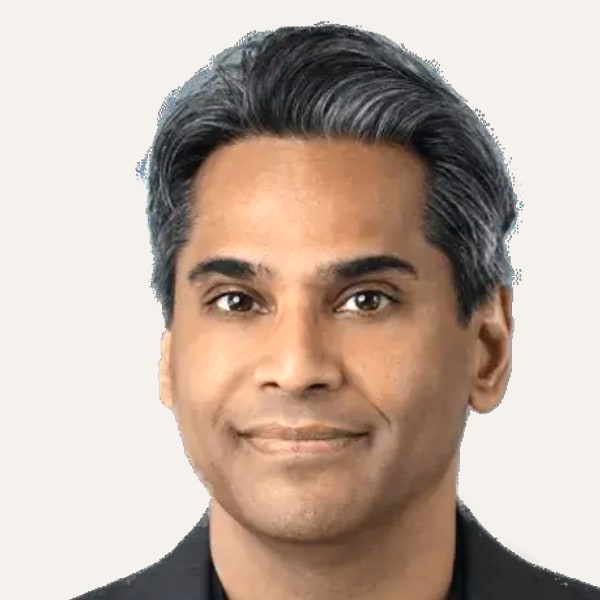
- Dr. Shervin Naderi, FACSWashington DC · USA
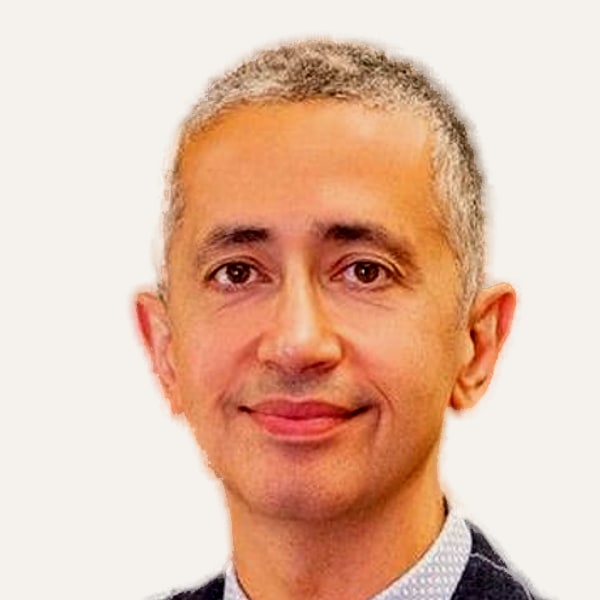
- Dr. Hardik Doshi, FACSLong Island · USA

- Dr. Keshav Magge, FACSWashington DC · USA

- Dr. Aicee Bernal, FPAPRASManila · Philippines

- Dr. Prodromos PapaioannouThessaloniki · Greece
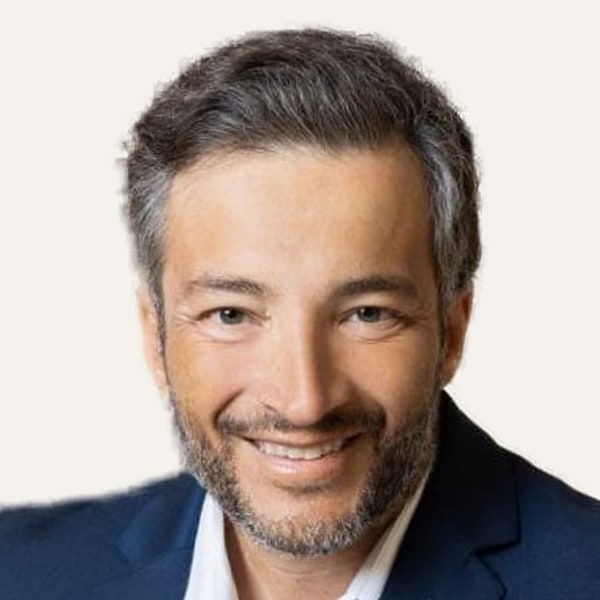
- Dr. Dirk KremerLondon · UK

- Dr. Enio Ilinoiu, FEBOPRASBucharest · Romania

- Dr. Walter Zamarian Jr.Londrina · Brazil

- Dr. Demetri ArnaoutakisTampa · USA
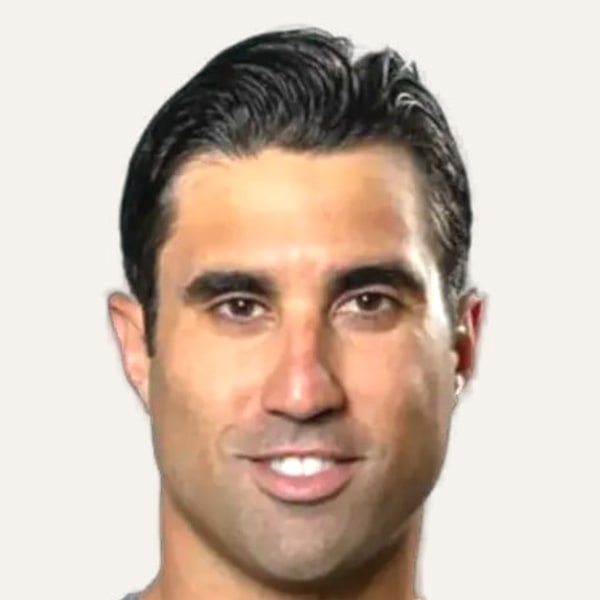
- Dr. Yunus ÇınarIstanbul · Turkey

- Dr. Carlos Henrique CamiloSão Paulo · Brazil

- Dr. Safa Manav, FEBOPRASIstanbul · Turkey
- Dr. Jason ChampagneBeverly Hills · USA

- Dr. Petros ChristodoulouPrague · Czech Republic

- All verified surgeons
- Are you a surgeon? Add the DEEPPLANE™ badge to your website to appear here.

40 surgeons listed here are named on the official programmes of 4 upcoming meetings. Next: ISAPS World Congress 2026 - Cancun, Oct 27. The DEEPPLANE calendar
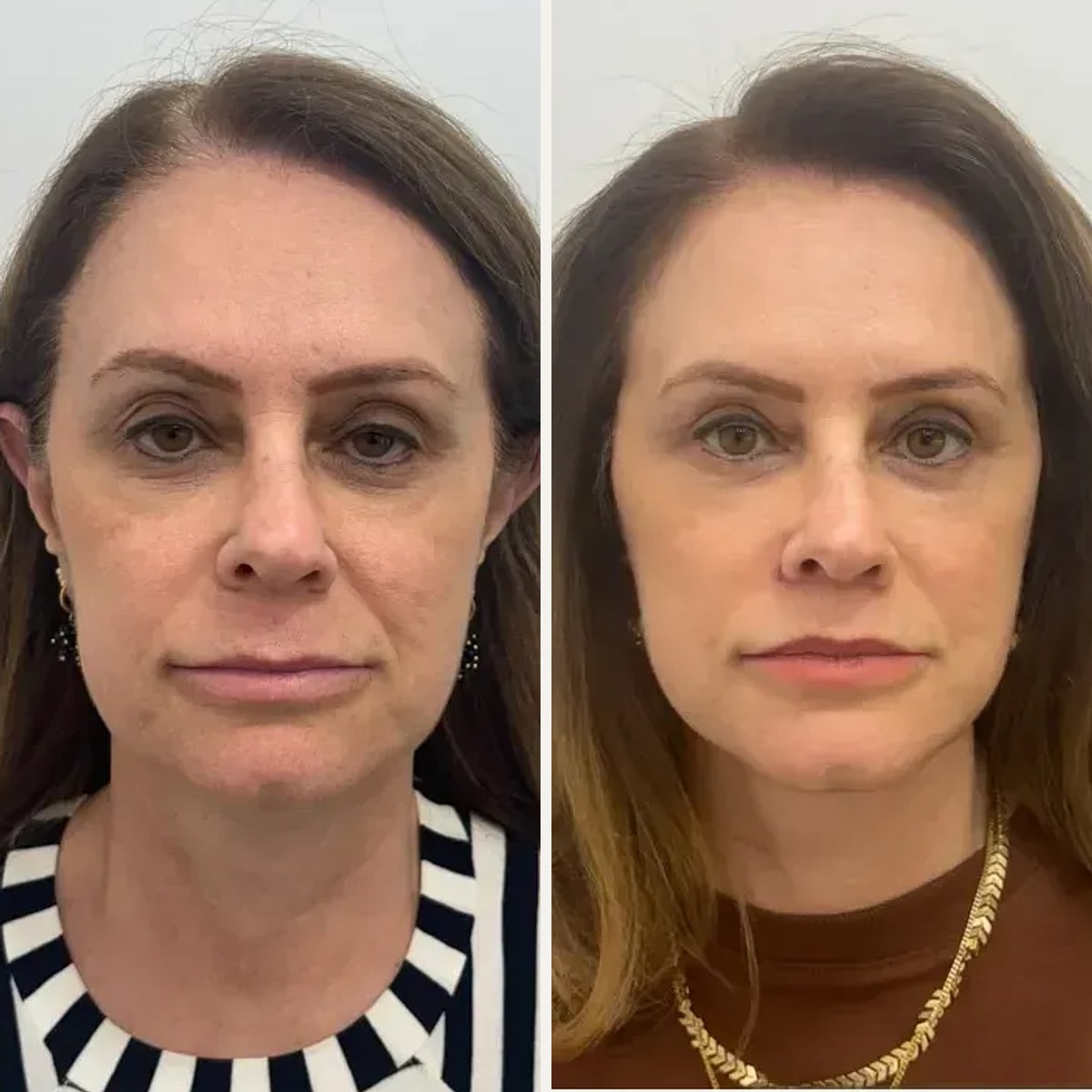
Results, with the surgeon named.
Every case below links to the profile of the surgeon who published it, and carries the source it was collected from.
 FD
FDDr. Fernando Delatti
Collected by DEEPPLANE™ · not confirmed by the surgeon
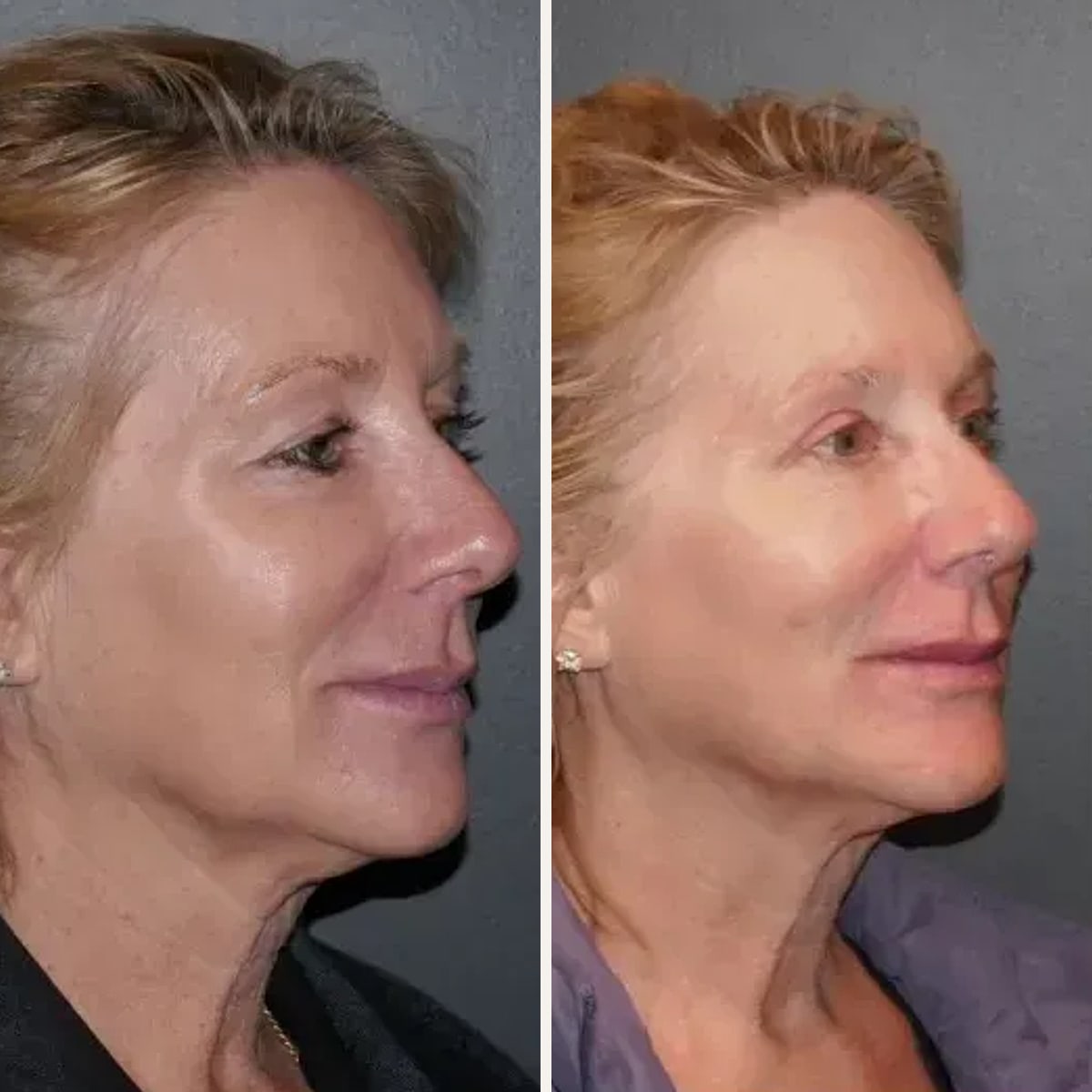
Dr. Manish Shah
Collected by DEEPPLANE™ · not confirmed by the surgeon
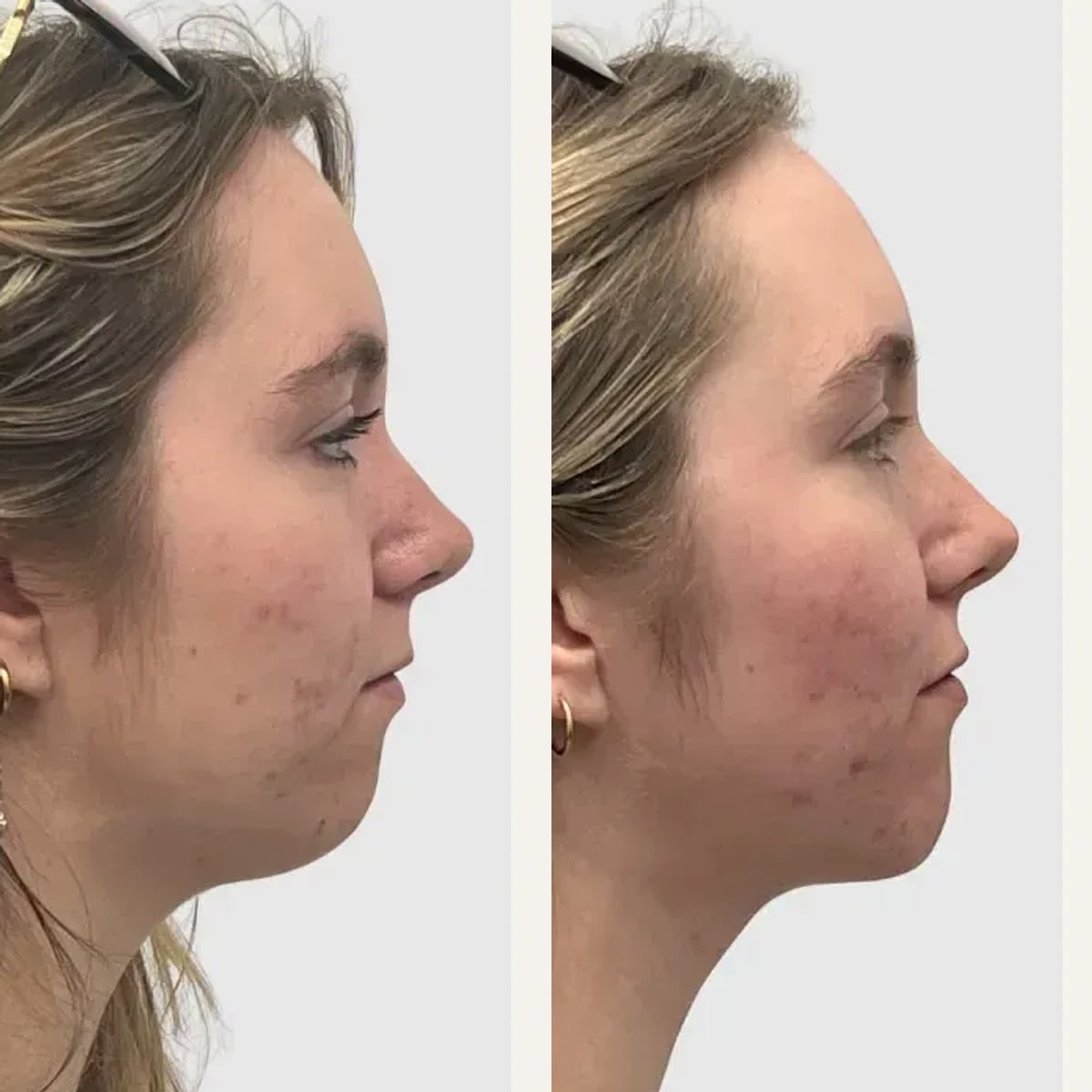
Dr. Philip Wasicek
Collected by DEEPPLANE™ · not confirmed by the surgeon


Outcomes on record
6,136 approved before and after pairs from 877 listed surgeons, collected from public clinic sources. One case per surgeon, resampled every week.


Cost by country.
Context for your research, not a shopping guide. Each range is a DEEPPLANE™ estimate band for surgeon fee, facility and anesthesia in that country, not a quote. Estimate · bands set 2026-08-19. See the full cost index and its method


Asked of the register
How many surgeons does DEEPPLANE™ list?
1,286 deep plane facelift surgeons in 69 countries, as of Oct 21, 2026. 28 of them are verified. A listing alone is not an endorsement.
Every listed surgeonWhere does a deep plane facelift cost least?
Across all 43 countries in DEEPPLANE™’s own estimate (bands set Aug 19, 2026), the lowest mid-point is about $10,250, in Czech Republic, Hungary, and Malaysia; of the destinations in the cost chart on this page, the lowest is Brazil. These are our estimates, not surgeons’ quotes. 25 surgeons publish their own price on their profiles.
The cost indexHow can I check a deep plane facelift surgeon?
DEEPPLANE™ reads 6 public sources and names the source of each fact on a profile; 591 listed surgeons are screened against the HHS exclusion list. We record the board certification each surgeon publishes and name its source; we do not confirm it with the issuing board, hold facility or case-volume data, or monitor licence status.
How we read each sourceHow long is recovery after a deep plane facelift?
Recovery runs in stages rather than ending on a single date. Expect 10–14 days before desk work feels realistic, 2–3 weeks before you are comfortable in public, and 4–6 weeks before strenuous exercise is cleared.
The recovery guideWhat are the risks of a deep plane facelift?
The main risks are hematoma (blood pooling under the skin), reported as major in 1.22% of deep plane facelifts across 183 studies; temporary facial nerve weakness, which usually recovers; permanent facial nerve injury, which is rare; infection; and hypertrophic scarring, which is uncommon. Your surgeon should give you their own rates.
The risks we do not hideHow does DEEPPLANE™ make money?
DEEPPLANE™ takes no advertising and no sponsored listings. Its revenue is a fixed fee that a surgeon pays to open a patient’s request; the fee is never a percentage of the surgery price, and it never buys a ranking or a badge. Sending an enquiry is free.
Read the methodologyFind your surgeon.
Three quick choices, then one before-and-after at a time. Tap the heart on the ones you like; you can ask up to three surgeons a month.
Are you a deep plane surgeon? List your practice